

If you’ve found an old bottle of vape liquid at the back of a drawer, you may wonder whether it’s still worth using. The answer isn’t as simple as checking the date on the bottle. While e-liquids do have a shelf life, their quality depends on how they’re stored, the ingredients they contain, and whether they’ve been exposed to heat, light, or air.
This guide explains whether vape liquid expires, why it changes over time, how to recognise expired e-liquid, and how to store vape juice correctly. By understanding the complete lifecycle of e-liquids, you can preserve flavour, nicotine quality, and overall vaping performance while avoiding unnecessary waste.
What Is Vape Liquid Made Of and Why Does It Expire?
Vape liquid contains four main ingredients: propylene glycol (PG), vegetable glycerin (VG), nicotine, and flavour concentrates. Each ingredient ages differently, which gradually changes the flavour, nicotine strength, and overall quality of the e-liquid.
Understanding what an e-liquid contains explains why it doesn’t age uniformly. Some ingredients remain stable for long periods, while others react more quickly to environmental conditions.
| Ingredient | Purpose | How It Changes Over Time |
| Propylene Glycol (PG) | Carries flavour and throat hit | Remains highly stable |
| Vegetable Glycerin (VG) | Produces vapour | May become thicker after prolonged storage |
| Nicotine | Delivers nicotine satisfaction | Oxidises, gradually reducing freshness and darkening the liquid |
| Flavour Concentrates | Create the flavour profile | Lose intensity and complexity over time |
Among these ingredients, nicotine and flavour concentrates experience the most noticeable changes. Oxygen slowly oxidises nicotine, while heat and ultraviolet light break down delicate flavour compounds. As a result, an older bottle of vape juice may taste weaker, appear darker, or deliver less nicotine satisfaction than it did when it was freshly manufactured.
Whether you use nic salts or freebase e-liquid, the same principles apply. Storage conditions have a greater impact on shelf life than the nicotine formulation itself.
How Long Does Vape Liquid Last?
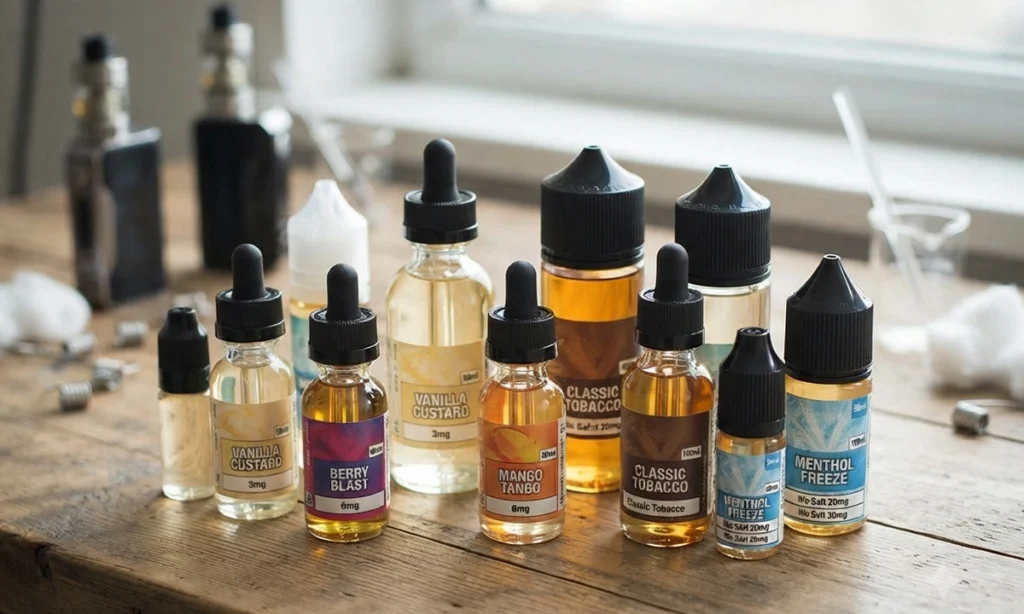
Most unopened vape liquids remain at their best for 12 to 24 months when stored correctly. Once opened, exposure to oxygen gradually reduces flavour quality and nicotine stability, so using e-liquid within six to twelve months generally provides the best experience.
Shelf life depends on more than the date printed on the bottle. Temperature, sunlight, humidity, and how often the bottle is opened all influence how quickly vape liquid ages.
Unopened E-Liquids
Factory-sealed e-liquids retain their quality for the longest period because very little oxygen reaches the ingredients. When stored in a cool, dry place away from direct sunlight, they typically maintain their intended flavour and nicotine profile for up to two years.
Opened Vape Juice
Opening the bottle introduces oxygen, beginning a gradual oxidation process. Each refill exposes the liquid to more air, which slowly affects nicotine and flavour quality. Keeping the cap tightly sealed after every use helps slow this process.
Best-Before Date vs Actual Condition
A best-before date reflects the manufacturer’s expected quality window rather than a strict cut-off point. If the vape liquid still smells normal, mixes evenly after shaking, and delivers consistent flavour, it may still be usable. However, noticeable changes in colour, smell, or consistency often indicate that it’s time to replace the bottle.
Why Does Vape Liquid Lose Quality Over Time?
Vape liquid gradually loses quality as oxygen, heat, sunlight, and time affect its ingredients. These factors can weaken flavour, reduce nicotine consistency, and darken the e-liquid, especially after the bottle is opened.
- Nicotine oxidation: Oxygen causes nicotine to darken over time, which can reduce flavour quality and nicotine performance.
- Flavour fading: Flavour concentrates naturally lose intensity with age, particularly in fruit and dessert blends.
- Heat, sunlight, and air exposure: High temperatures, UV light, and repeated air exposure accelerate degradation. Store vape liquid in a cool, dark place to maintain its quality for longer.
How Can You Tell If Vape Liquid Has Expired?
You can usually identify expired vape liquid by changes in colour, smell, flavour, consistency, or overall vaping performance. Rather than relying on one sign alone, assess the liquid as a whole before deciding whether it should still be used.
A bottle doesn’t suddenly become unusable on its best-before date. Instead, several indicators work together to show how much the e-liquid has changed during storage.
Signs Your Vape Liquid May Have Expired
- Much darker than usual
- Weak or unusual flavour
- Unpleasant smell
- Permanent ingredient separation
- Significant change in consistency
- Reduced nicotine satisfaction
The more signs present, the more likely the vape liquid has passed its optimal quality.
Can You Vape Expired Vape Juice?
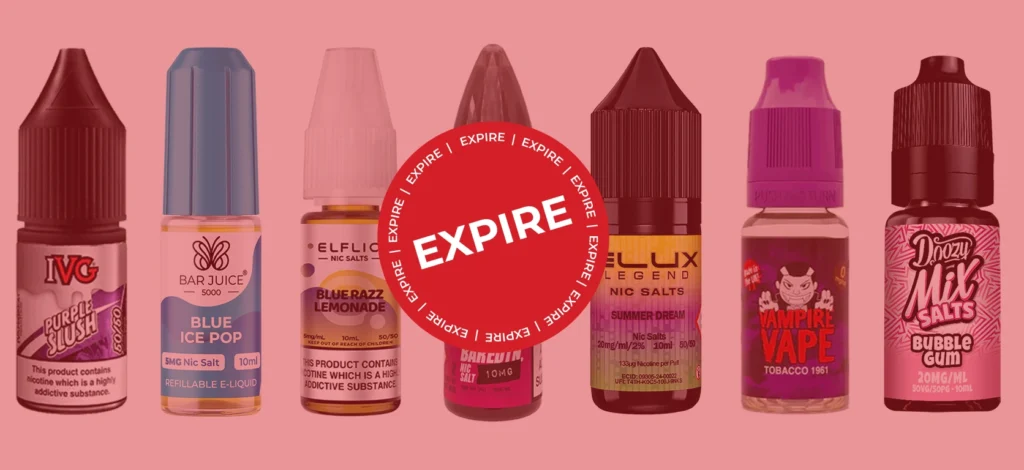
You can sometimes use expired vape juice if it has been stored in a cool, dark place and shows no visible signs of degradation. However, older e-liquids often produce weaker flavour, reduced nicotine performance, and a less consistent vaping experience. Before using it, check for an unusual smell, persistent ingredient separation, significantly muted flavour, excessive darkening, or inconsistent performance. If you notice any of these signs, replace the bottle. Choosing fresh vape liquid ensures better flavour, consistent nicotine delivery, and the best overall vaping experience.
Does Expired Vape Liquid Affect Flavour, Nicotine Strength, and Vape Coils?
Yes. As vape liquid ages, flavour compounds become less vibrant, nicotine gradually oxidises, and residue can build up more quickly on vape coils. These changes reduce vaping performance even if the liquid still produces vapour.
Ageing doesn’t affect every aspect of the vaping experience equally. Some changes are immediately noticeable, while others develop gradually.
Flavour Becomes Less Distinct
Flavour concentrates naturally lose intensity over time, reducing the complexity and balance of the original recipe.
Fruit flavours may taste less vibrant, dessert blends can lose sweetness, and cooling flavours often become less refreshing as the e-liquid ages.
Nicotine Satisfaction May Feel Weaker
Oxidised nicotine can reduce the consistency of nicotine delivery, making each puff feel less satisfying than when the liquid was fresh.
Although nicotine doesn’t disappear completely, its gradual chemical changes can affect the overall vaping experience.
Vapour Production Usually Changes Very Little
PG and VG remain relatively stable, so vapour production often changes less dramatically than flavour or nicotine quality.
However, if the liquid has thickened during storage, wicking efficiency may decrease in some devices, particularly pod systems.
Can Old Vape Liquid Affect Vape Coils?
Yes. Older vape liquid can leave more residue on vape coils if flavourings have degraded or the liquid has thickened over time. Although ageing isn’t the only cause of coil buildup, using fresh e-liquids generally helps maintain cleaner coils and more consistent performance.
Residue from darker or heavily sweetened e-liquids may shorten coil lifespan, reduce flavour clarity, and require more frequent replacements. Keeping your vape liquid fresh benefits both flavour quality and long-term device maintenance.
Do Nic Salts Expire Differently from Freebase E-Liquid?
No. Nic salts and freebase e-liquids have a similar shelf life when stored correctly. Their longevity depends on storage conditions rather than the type of nicotine. Heat, sunlight, and oxygen gradually oxidise both formulations over time. While nic salts provide a smoother inhale and faster nicotine absorption, and freebase e-liquids produce a stronger throat hit, these differences affect the vaping experience, not how long the e-liquid lasts.
| Feature | Nic Salts | Freebase E-Liquid |
| Typical Shelf Life | 1–2 years (unopened) | 1–2 years (unopened) |
| Oxidation | Gradual | Gradual |
| Best Storage | Cool, dark, sealed | Cool, dark, sealed |
| Main Difference | Smoother nicotine delivery | Stronger throat hit |
Key Insight: If two bottles are stored under the same conditions, one containing nic salts and the other freebase nicotine, they generally age at a similar rate. Want to understand why nic salts and freebase e-liquids vape differently? If you want to understand how nicotine type affects your vaping experience, read our guide on What is the Difference between Freebase & Nic Salts for a detailed comparison of both options.
How to Store Vape Liquid Properly
Store vape liquid in a cool, dry, dark place with the bottle tightly sealed. Protecting e-liquids from heat, sunlight, oxygen, and frequent temperature changes helps preserve flavour, nicotine quality, and overall performance for longer.
Even premium e-liquids lose quality faster when stored incorrectly. Fortunately, preserving vape juice doesn’t require special equipment. A few simple habits can significantly extend its usable lifespan.
Best Storage Checklist
- Store between approximately 15–25°C.
- Keep away from direct sunlight.
- Close the cap immediately after use.
- Store bottles upright.
- Keep away from children and pets.
Following these practices helps preserve both vape juice quality and nicotine consistency throughout its shelf life. For more practical storage tips, read our guide on How to Store Nic Salt E-Liquids to Keep Them Fresh to keep your e-liquid flavourful, fresh, and performing at its best.
Common Storage Mistakes That Reduce E-Liquid Shelf Life
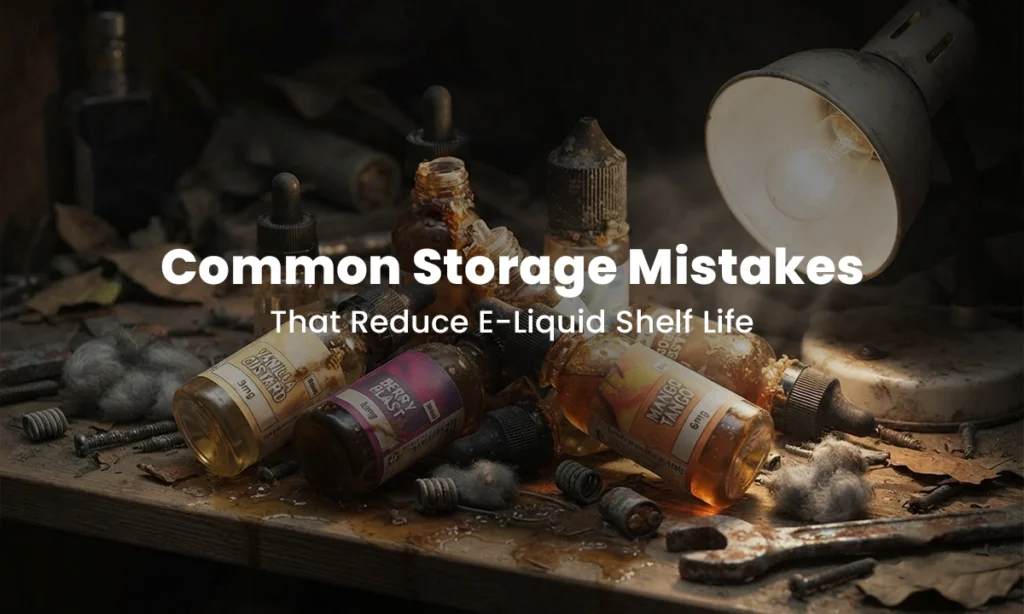
Poor storage habits often shorten the lifespan of vape liquid more than age alone. Preventing unnecessary exposure to heat, sunlight, and oxygen helps maintain flavour, nicotine stability, and overall vaping performance.
Many cases of “expired” e-liquid are actually the result of poor storage rather than time itself.
Avoid these common mistakes:
Leaving Vape Juice in a Hot Car: Vehicle temperatures rise quickly during warm weather, accelerating nicotine oxidation and flavour degradation.
Storing Bottles on Windowsills: Continuous exposure to sunlight and UV rays reduces flavour quality and affects nicotine stability.
Frequently Opening the Bottle: Repeatedly exposing vape liquid to oxygen gradually speeds up aging. Whenever possible, only open the bottle when refilling your device.
Leaving the Cap Loose: A poorly sealed bottle allows additional air to enter, increasing oxidation and reducing shelf life.
Storing Near Heat Sources: Radiators, kitchen appliances, and other warm areas expose e-liquids to unnecessary temperature fluctuations that reduce long-term quality.
When Should You Replace Your Vape Liquid?
Replace vape liquid when it develops several clear signs of degradation, including unpleasant odour, muted flavour, excessive darkening, or permanent separation that does not disappear after shaking. These changes indicate that the e-liquid has moved beyond its optimal quality.
Rather than relying only on the best-before date, evaluate the condition of the vape liquid itself.
Replace your bottle if:
- The flavour has become noticeably dull or unpleasant.
- The smell is unusual or significantly different.
- The liquid remains separated after shaking.
- It has become much darker alongside other signs of ageing.
- The vaping experience feels inconsistent.
Replacing an older bottle ensures better flavour accuracy, more reliable nicotine delivery, and improved overall satisfaction. If your e-liquid shows signs of degradation, replace it with a fresh Vape Juice to enjoy consistent flavour, reliable nicotine delivery, and the best possible vaping experience.
How to Dispose of Expired Vape Liquid Responsibly
Expired vape liquid should be disposed of responsibly to reduce environmental impact and prevent accidental exposure. Avoid pouring e-liquid directly into sinks, toilets, or outdoor drains.
Because e-liquids may contain nicotine, they should be handled carefully when being discarded.
Safe Disposal Tips
- Keep leftover liquid inside its original bottle whenever possible.
- Ensure the cap is tightly secured before disposal.
- Follow your local council’s guidance for household chemical waste if nicotine-containing products require special handling.
- Keep unwanted vape juice out of reach of children and pets until it is safely discarded.
Responsible disposal protects both the environment and those around you while encouraging safer vaping practices.
Conclusion
Yes, vape liquid expires, but proper storage can significantly extend its quality. Keep e-liquids in a cool, dark place away from heat, sunlight, and air to preserve flavour, nicotine strength, and overall performance. Before use, check for changes in colour, smell, flavour, or consistency, and replace any bottle that shows clear signs of degradation. Following good storage practices helps you enjoy a better vaping experience and get the most from your e-liquid.
If you want to learn more about e-liquids, nic salts, vape maintenance, or choosing the right products for your device, explore our other Vape Nexus guides for practical advice and expert insights.
Frequently Asked Questions (FAQs)
1. Does Vape Liquid Expire?
Yes. Vape liquid gradually expires because nicotine oxidises and flavour concentrates lose their stability over time. Most e-liquids maintain their best quality for around one to two years when stored correctly.
2. How Long Does Vape Juice Last After Opening?
Most opened vape juices deliver the best flavour and nicotine performance when used within six to twelve months. Keeping the bottle tightly sealed and storing it away from heat and sunlight helps preserve its quality.
3. Can You Vape Expired E-Liquid?
You may be able to use older e-liquid if it has been stored correctly and shows no obvious signs of degradation. However, replacing aged vape liquid usually provides better flavour, nicotine consistency, and overall performance.
4. How Do You Know If Vape Juice Has Gone Bad?
Check for several signs together, including an unusual smell, significantly darker colour, muted flavour, permanent ingredient separation, or a noticeable change in consistency. These changes often indicate that the liquid has degraded.
5. Does Vape Liquid Lose Nicotine Strength Over Time?
Yes. Nicotine gradually oxidises during storage, particularly after the bottle has been opened. While the change is gradual, older e-liquids may deliver a less consistent nicotine experience than fresh bottles.
6. Why Has My E-Liquid Turned Brown?
Nicotine naturally darkens as it reacts with oxygen, a process known as oxidation. A darker colour isn’t always a sign that the vape liquid is unusable, but it should be evaluated alongside flavour, smell, and consistency.
7. Can Expired Vape Liquid Affect Vape Coils?
Yes. Older vape liquid may leave more residue on vape coils if flavourings have degraded or the liquid has thickened. Using fresh e-liquids and replacing coils when needed helps maintain flavour and vapour quality.